Looking for worksheets and infographics that can help you in your personal growth journey? Look no further! We have curated a collection of resources that are not only informative but also visually appealing. These resources are designed to help you understand and work within your “window of tolerance,” a concept widely used in therapy and self-development.
Worksheets and Infographics — Banana Tree Log

One of the resources that caught our attention is the “Worksheets and Infographics” collection by Banana Tree Log. The window of tolerance awareness worksheet, available in the collection, helps you understand your own window of tolerance—the range of emotional states in which you can effectively cope with stressors and challenges. With this worksheet, you can gain insight into your own emotional capacity and recognize when you may be operating outside your window of tolerance. By identifying this, you can take steps to regulate your emotions and bring yourself back into a balanced state.
Pin on Therapy ideas

If you’re looking for a visually pleasing and informative resource, the “Pin on Therapy ideas” image is worth exploring. This image captures the essence of the window of tolerance concept through a visually appealing representation. It provides an overview of what it means to be in the window of tolerance, how to recognize when you’re outside of it, and strategies to regulate your emotions effectively. The simplicity of this infographic makes it easy to understand, making it a great resource for self-reflection and personal growth.
Window Of Tolerance-Simplified by Rising Light Counseling and Therapy

Rising Light Counseling and Therapy offers a simplified version of the window of tolerance concept that can be incredibly helpful for individuals who prefer a concise and straightforward explanation. Through this image, you can gain a clear understanding of the different states within the window of tolerance: hyperarousal (fight/flight) and hypoarousal (freeze). It also provides guidance on recognizing signs of being outside the window of tolerance and offers simple self-care strategies to regulate your emotional state.
How to Recognize Your Window of Tolerance — Mind My Peelings

Mind My Peelings provides a resource that helps you recognize your unique window of tolerance. The image illustrates how external stressors or triggers can push you outside of your window, leading to either hyperarousal or hypoarousal. It also offers guidance on self-care and regulation techniques to bring yourself back within your window. By being aware of your own window of tolerance and how it can be influenced, you can make informed choices to support your emotional well-being.
issaqua’s practice: Discomfort is our frenemy!

issaqua’s practice provides a unique perspective on the window of tolerance concept. This image highlights the idea that discomfort can be both your adversary and ally on your personal growth journey. It reminds us that personal growth often requires stepping out of our comfort zones and expanding our window of tolerance. By embracing discomfort and pushing the boundaries of our tolerance, we can experience growth and positive transformation.
What Is… the Window of Tolerance - Mental Health @ Home

Mental Health @ Home offers an insightful resource that delves into the concept of the window of tolerance. This image explores the various factors that influence your window of tolerance, such as past experiences, genetics, and relationships. Understanding these factors can provide valuable insights into your emotional responses and help you navigate through challenging situations. The resource also offers suggestions for expanding your window of tolerance, such as engaging in therapy, practicing self-care, and seeking support when needed.
Emotion Regulation 101: Your Window of Tolerance
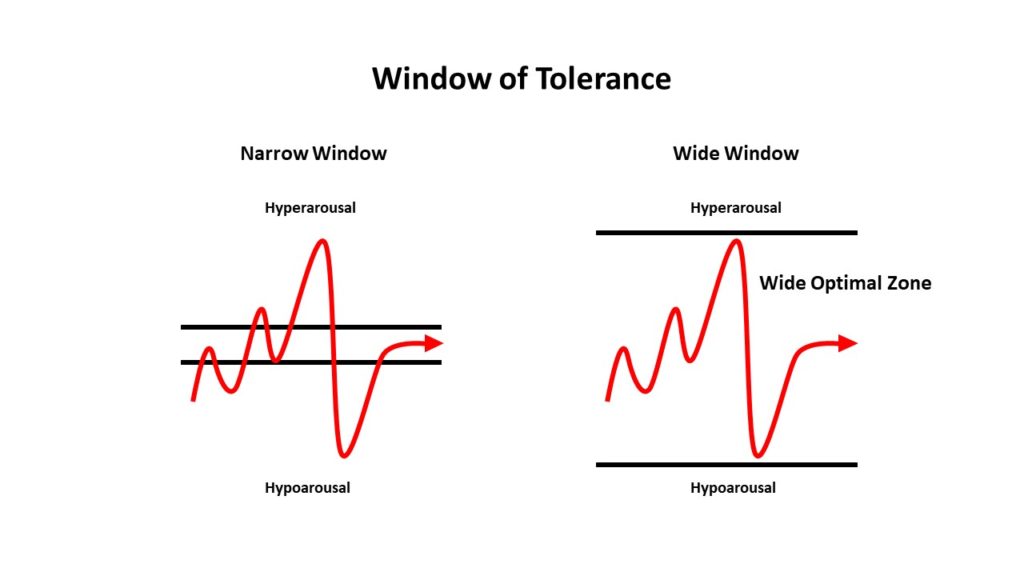
Emotion Regulation 101 sheds light on the window of tolerance and its significance in relation to emotional regulation. This resource breaks down the concept into easily understandable components and provides practical tips for managing your emotions effectively. By recognizing the signs of being outside your window, such as feeling overwhelmed or disconnected, you can employ grounding techniques and self-care strategies to bring yourself back within your window of tolerance.
Window of Tolerance

If you prefer a simple yet powerful visual representation of the window of tolerance, this image is worth exploring. It encapsulates the concept through a continuum ranging from hyperarousal to hypoarousal, illustrating the optimal zone for emotional regulation. This resource can serve as a visual reminder to check in with yourself and evaluate where you are within your window of tolerance.
My Window of Tolerance Worksheet and Psychoeducation Tool - Etsy Australia
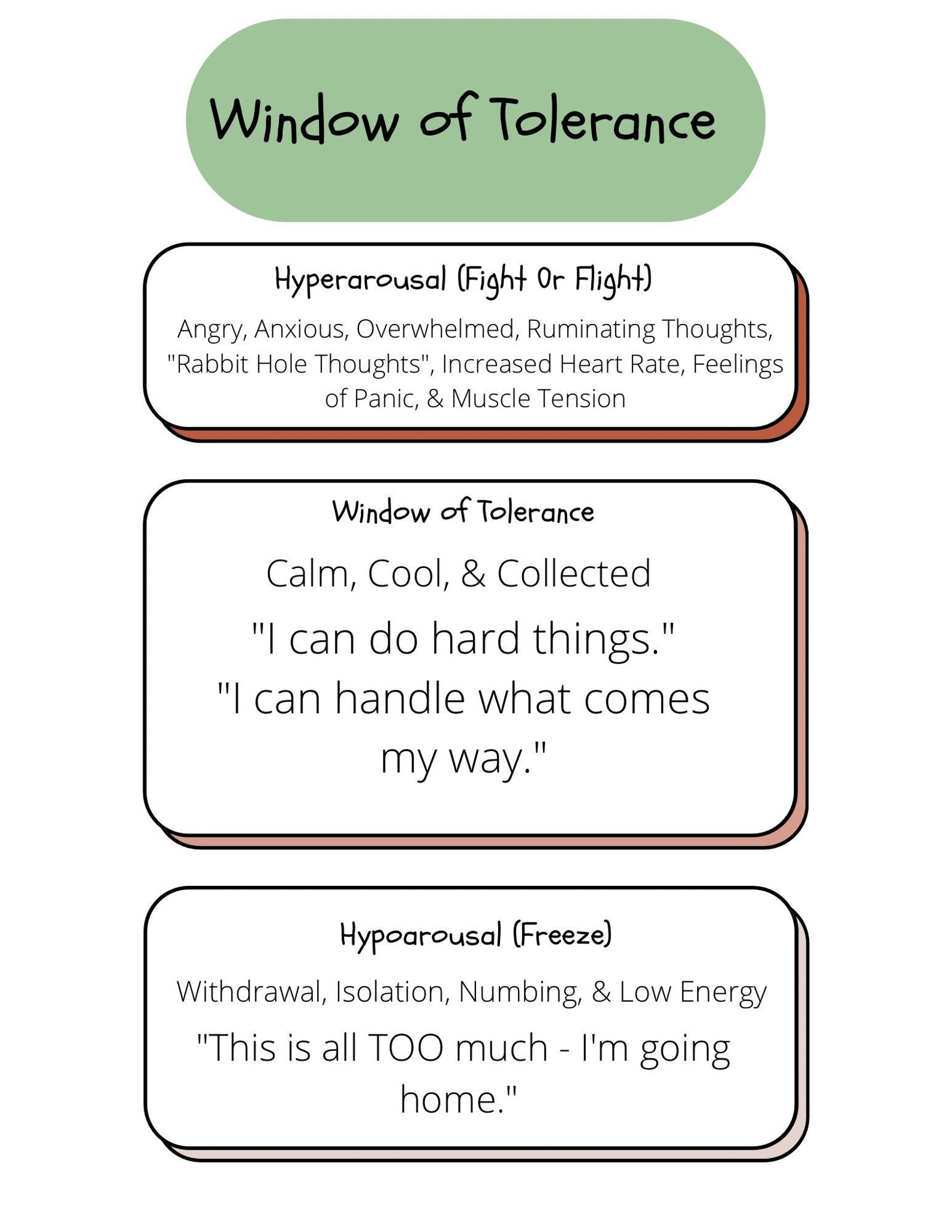
Etsy Australia offers a useful tool for personal exploration and understanding of your window of tolerance. This worksheet provides space for reflection and self-analysis, helping you identify the factors that impact your window and well-being. By engaging in this exercise, you can gain a deeper understanding of your emotional patterns and learn strategies to regulate your emotions effectively.
Cindy Jones, LCSW | Resources
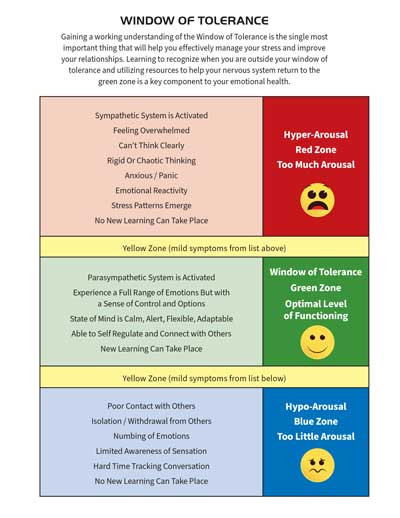
Cindy Jones, LCSW offers a comprehensive resource that explores the window of tolerance concept in detail. This handout provides an in-depth explanation of the window of tolerance, including factors that influence it and strategies for emotional regulation. It encourages self-reflection and offers guidance on identifying personal triggers and coping mechanisms. By utilizing the insights gained from this resource, you can enhance your emotional well-being and overall resilience.
These resources cover various aspects of the window of tolerance concept, providing you with valuable information and practical tools for self-reflection and growth. Incorporating these resources into your personal development journey can support you in understanding your emotional responses, expanding your capacity for emotional regulation, and enhancing your overall well-being. Take the time to explore these resources, engage in self-analysis, and implement the practices that resonate with you. Your window of tolerance can be a powerful tool for personal growth and resilience.
